Playtime is often seen as a break from learning, but for children, play is one of the most powerful ways they understand the world. Through play, children explore ideas, test limits, build skills, and express emotions. Learning during playtime happens naturally, without pressure or formal instruction, making it both effective and enjoyable. When play is thoughtfully supported, it becomes a foundation for cognitive, social, emotional, and physical development.
Enhancing learning during playtime does not mean structuring every activity or turning play into lessons. Instead, it involves creating opportunities, environments, and interactions that encourage curiosity, creativity, and growth while keeping play joyful and child-led.
Why Play Is Essential for Learning
Play is how children make sense of their experiences. When children play, they are actively engaging their minds and bodies, practicing new skills, and solving problems. Whether building a tower, pretending to cook, or playing with others, children are learning how things work and how to interact with the world.
Play supports brain development by encouraging exploration and experimentation. It helps children develop language skills, improve memory, and build attention spans. Social play teaches cooperation, empathy, and communication, while physical play strengthens coordination and confidence.
Because play is self-motivated, children are often more engaged and open to learning during playtime than during structured instruction. This intrinsic motivation makes play an ideal environment for meaningful learning.
Creating a Play-Friendly Learning Environment
The environment plays a major role in how children learn during play. A space that feels safe, inviting, and accessible encourages exploration and independence. Children should be able to reach and choose their toys easily, allowing them to follow their interests and make decisions.
Open-ended toys and materials are especially effective for learning. These items can be used in many different ways, sparking imagination and problem-solving. Rather than telling children how to play, open-ended materials invite them to create their own experiences.
Reducing clutter can also enhance learning. Too many toys at once can overwhelm children and limit focus. Rotating toys periodically helps refresh interest and encourages deeper engagement with each activity.
The Role of Imagination in Learning
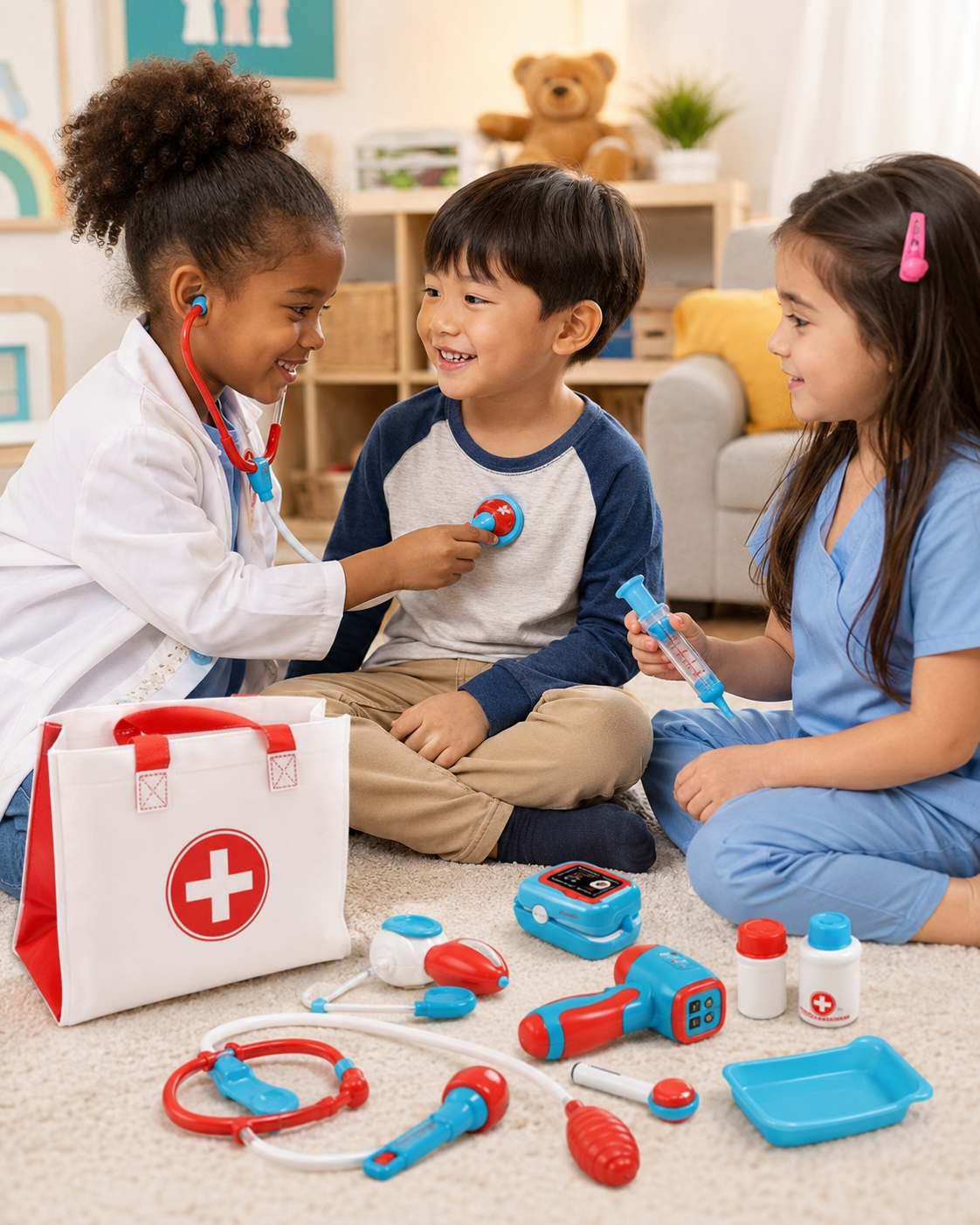
Imaginative play is a powerful learning tool. When children pretend, they practice storytelling, role-playing, and emotional expression. These activities help develop language skills and social understanding.
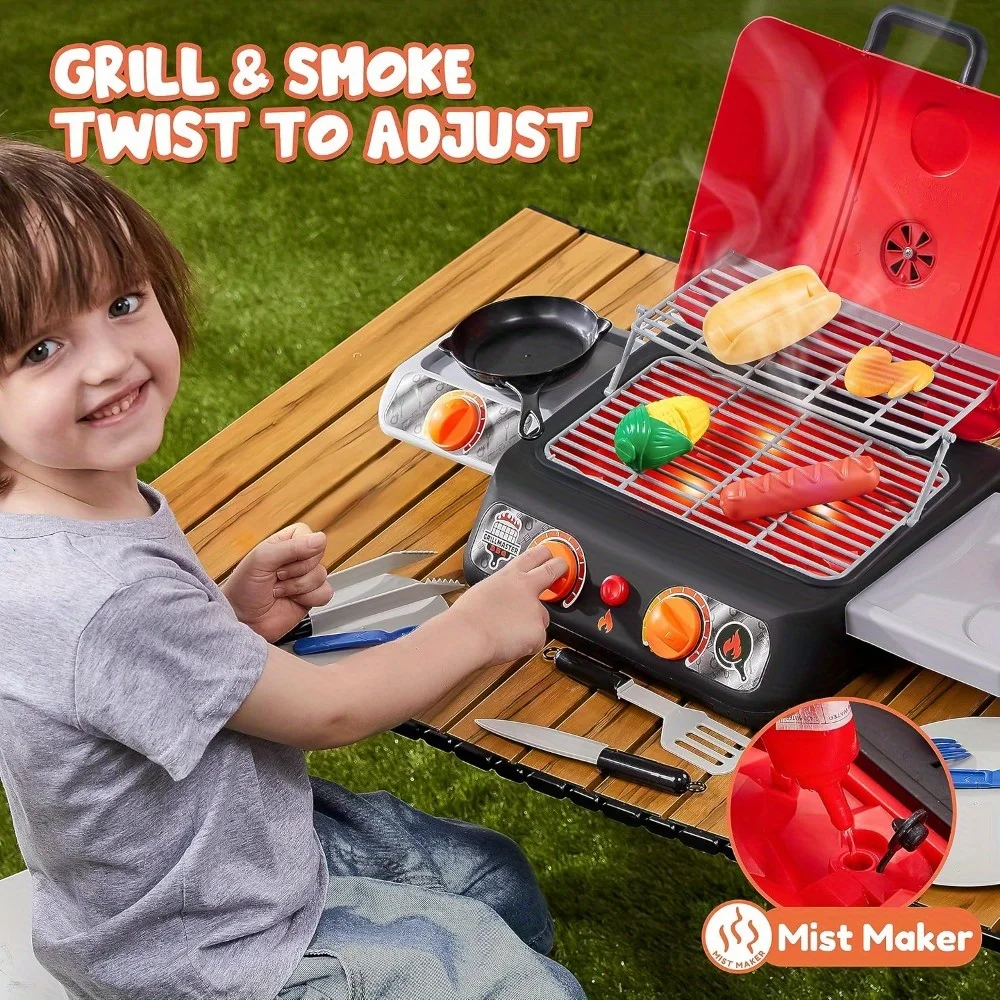
Through imaginative play, children experiment with real-life situations in a safe and flexible way. Pretending to run a store, care for a doll, or build a city allows children to explore responsibilities, relationships, and problem-solving.
Encouraging imagination does not require elaborate setups. Simple props and everyday items often inspire the most creative play. Allowing children the freedom to lead imaginative scenarios helps build confidence and creativity.
Encouraging Problem-Solving and Critical Thinking
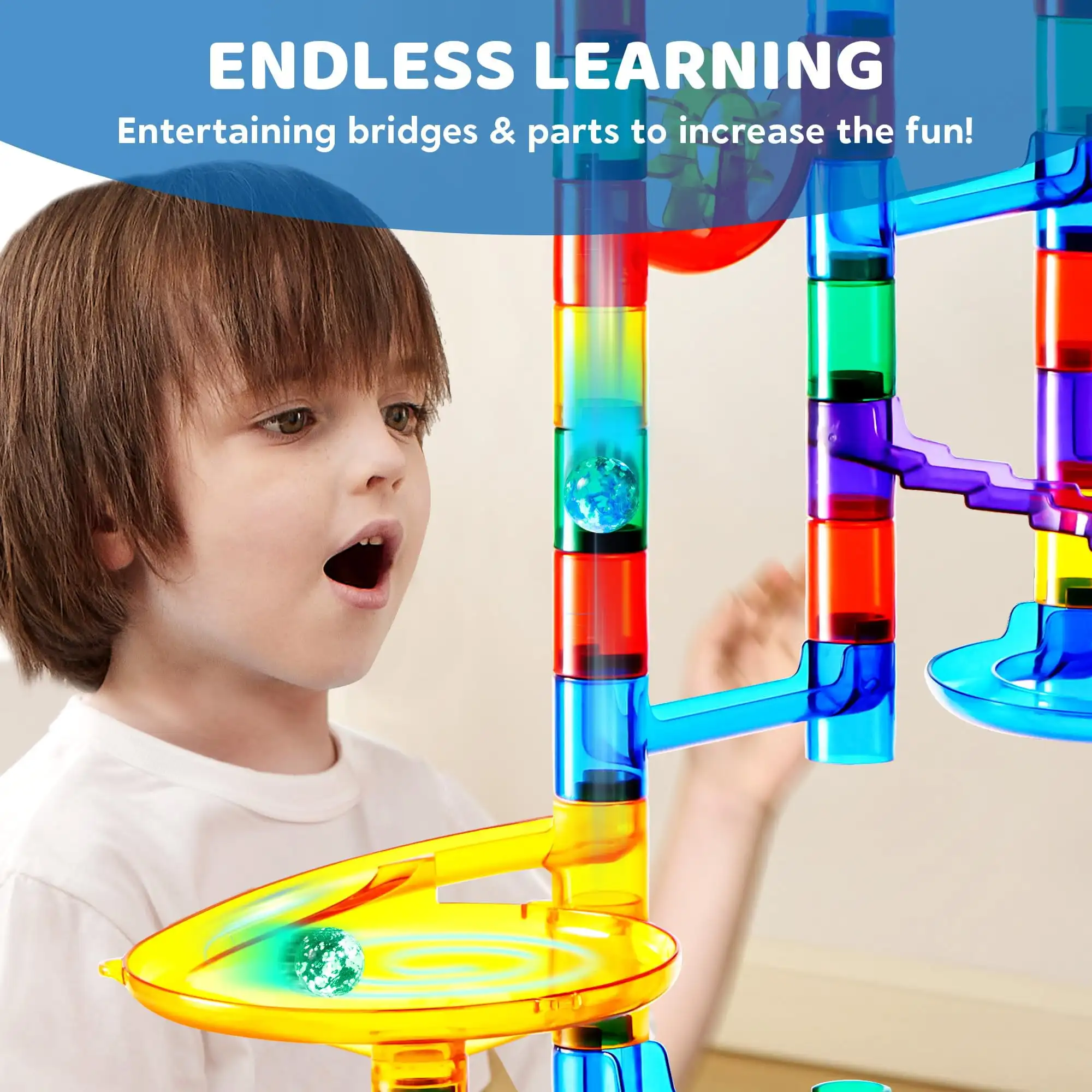
Play naturally introduces challenges that encourage problem-solving. Whether figuring out how to balance blocks or deciding how to share toys, children are constantly thinking and adapting during play.
Adults can support this process by asking open-ended questions rather than providing solutions. Questions like “What do you think will happen next?” or “How could you try that differently?” encourage children to think critically and explore alternatives.
Allowing children to struggle slightly without stepping in immediately helps build resilience. When children solve problems on their own, they gain confidence in their abilities and develop persistence.
Supporting Language Development Through Play
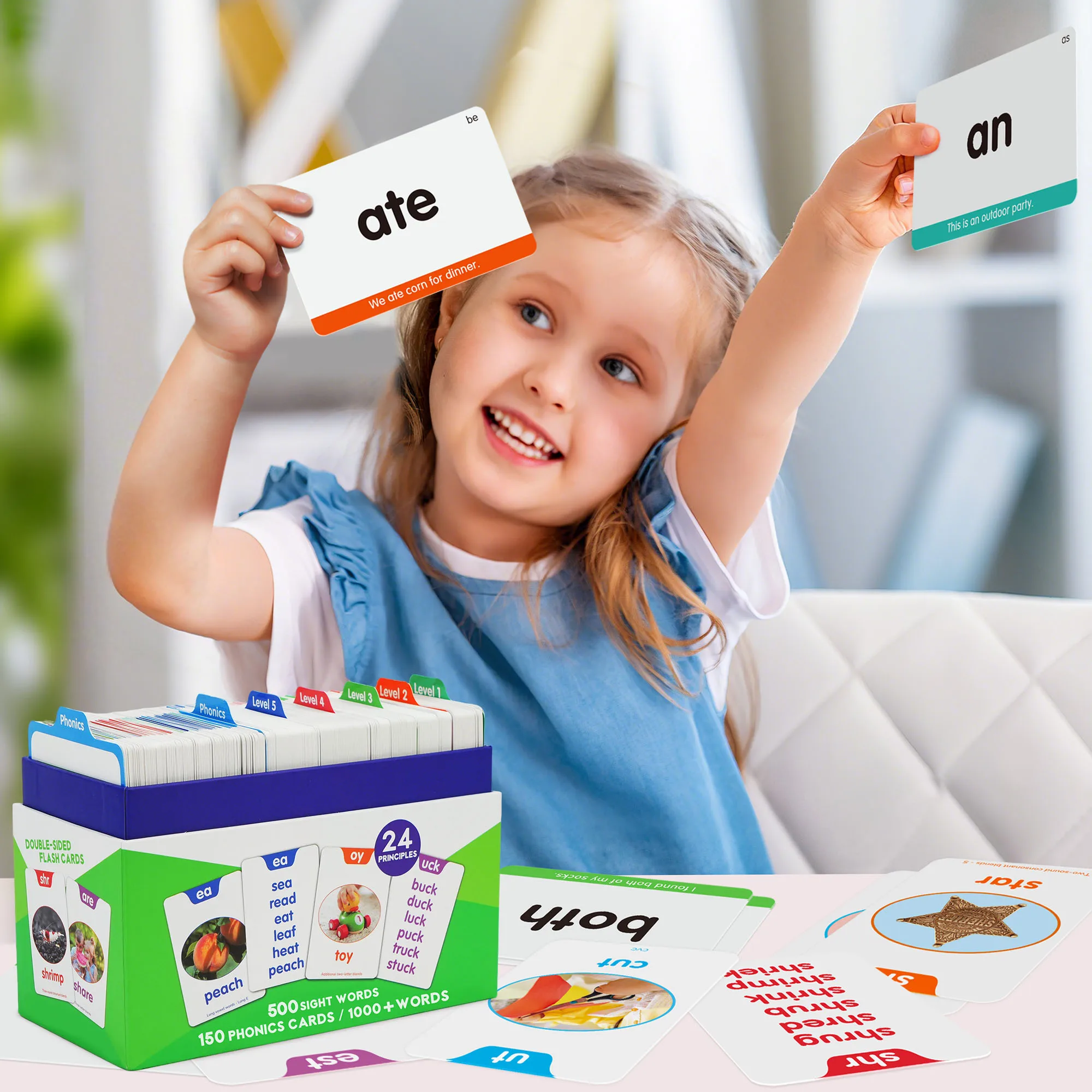
Playtime offers countless opportunities for language development. Conversations during play help children learn new words, practice communication, and express ideas. Narrating actions, describing objects, and asking questions during play can expand vocabulary naturally.
Reading and storytelling can also be integrated into play. Acting out stories or creating new ones helps children understand narrative structure and develop comprehension skills. Even simple games that involve taking turns speaking or listening support communication skills.
The key is to engage with children in a way that feels natural and responsive, allowing language learning to happen organically through interaction.
Enhancing Social and Emotional Skills
Social and emotional learning is deeply connected to play. When children play with others, they learn to share, cooperate, negotiate, and manage emotions. These experiences help build empathy and self-regulation.
Play also provides a space for children to express feelings they may not yet have the words for. Through pretend play, children can work through fears, frustrations, or excitement in a safe and supportive way.
Adults can support emotional learning by acknowledging feelings during play and modeling positive interactions. Helping children label emotions and navigate conflicts gently reinforces emotional intelligence.
The Importance of Physical Play
Physical movement is a critical part of learning during playtime. Active play helps develop coordination, strength, and spatial awareness. It also supports brain development by improving focus and memory.
Opportunities for movement can be incorporated indoors and outdoors. Climbing, jumping, dancing, and running all contribute to physical wellness and confidence. Physical play also helps children release energy and manage stress.
Balancing active play with quieter activities supports overall development and keeps children engaged throughout the day.
Following the Child’s Lead
One of the most effective ways to enhance learning during play is to follow the child’s lead. When children choose what and how they play, they are more invested and motivated. Observing their interests provides valuable insight into what they are learning and what skills they are developing.
Adults can join play by responding to the child’s ideas rather than directing the activity. This approach respects the child’s autonomy and encourages exploration.
Following the child’s lead also allows learning to unfold naturally, without pressure or expectations.
Balancing Guidance and Independence
While child-led play is important, gentle guidance can enhance learning when used thoughtfully. Offering suggestions, introducing new materials, or expanding on a child’s idea can deepen engagement without taking over.
The balance lies in supporting play without controlling it. Children benefit from knowing that help is available while still having the freedom to explore independently.
This balance builds confidence and encourages lifelong learning habits.
Integrating Learning Into Everyday Play
Learning during play does not require special tools or complex plans. Everyday activities can become meaningful learning experiences when approached with curiosity. Cooking, sorting laundry, or exploring nature all offer opportunities for discovery and skill-building.
By viewing play as a natural extension of learning, adults can create a rich environment where curiosity thrives. Small moments of connection and exploration add up to significant growth over time.
Conclusion
Enhancing learning during playtime is about creating space for curiosity, creativity, and connection. Play is not separate from learning; it is the way children learn best. By providing supportive environments, engaging thoughtfully, and allowing children to lead, playtime becomes a powerful opportunity for development.
When learning is woven into play naturally, children build skills with joy and confidence. These early experiences lay the groundwork for a lifelong love of learning, making playtime one of the most valuable parts of childhood.