There is something wonderful about watching a child turn an ordinary afternoon into a full little world of their own. A kitchen becomes a café. A toy doctor kit becomes a busy office for stuffed animal patients. A cardboard box becomes a spaceship, a grocery store, or a secret clubhouse. Pretend play may look simple from the outside, but inside all that imagination, children are doing important work.
Pretend play helps children build creativity and imagination in a way that is hard to replace. When kids pretend, they are making decisions, creating stories, and exploring ideas beyond what is right in front of them. They learn to think flexibly and imagine possibilities, which are valuable skills far beyond childhood. Imaginative play teaches children that there can be more than one way to use something, more than one way to tell a story, and more than one way to solve a problem.
It also supports language development. During pretend play, children often narrate what they are doing, give characters voices, create conversations, and explain their little worlds out loud. Whether they are playing restaurant, school, doctor, or shopkeeper, they are practicing vocabulary, storytelling, and communication. Even when children play quietly, their minds are often busy organizing scenes, ideas, and dialogue.
Pretend play can also help children grow in social and emotional development. When children act out roles, they begin to understand different perspectives. A child pretending to be a parent, doctor, teacher, or cashier is exploring how other people think and act. This kind of play can build empathy and help children make sense of the world around them. It can also be a safe way for them to work through big feelings, practice routines, or process new experiences.
Another beautiful benefit of pretend play is how it strengthens confidence and independence. In their pretend world, children are often the ones making the rules, solving the problems, and leading the action. That gives them a sense of control and capability. Whether they are cooking a pretend meal, helping a teddy bear feel better, or running a make-believe store, they are practicing responsibility and decision-making in a playful, age-appropriate way.
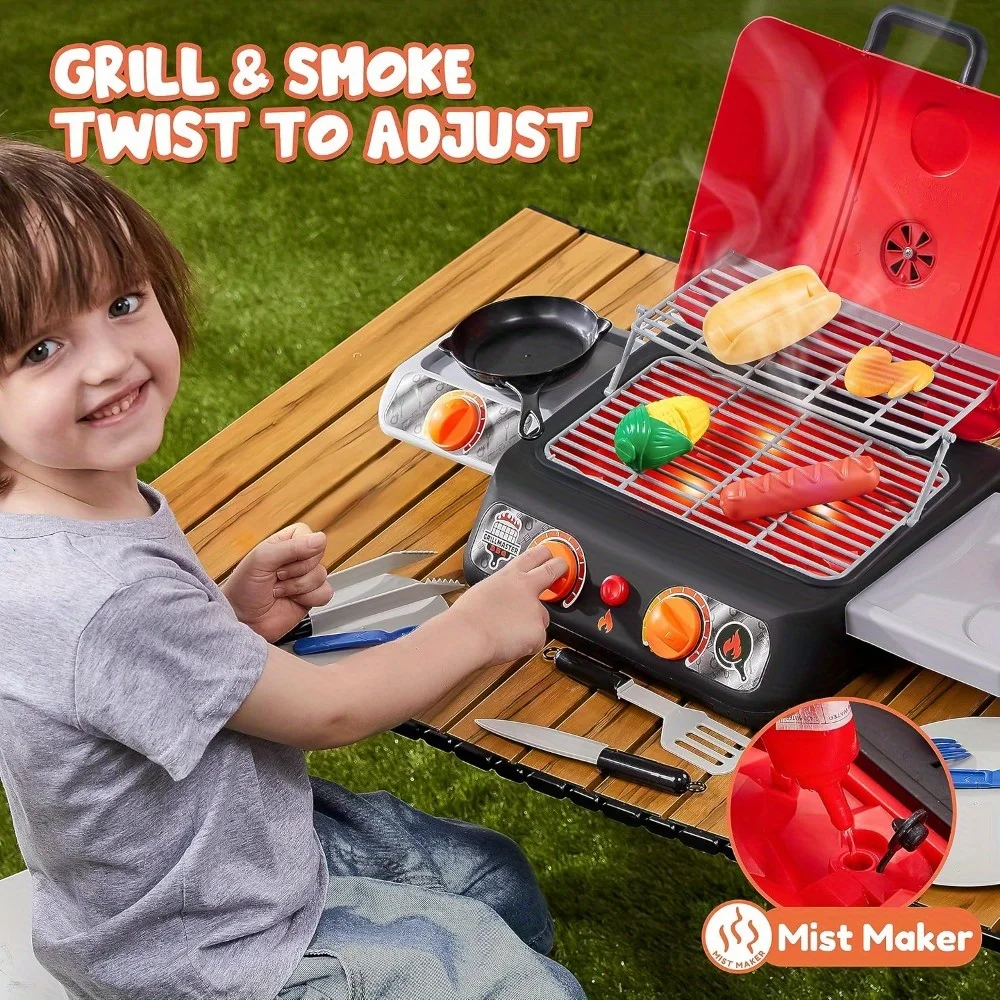
Pretend play does not have to involve an elaborate setup to be meaningful. A few simple props can go a long way. Play kitchens, tool sets, doctor kits, toy food, dress-up items, dolls, animal figures, and everyday household items can all inspire rich imaginative play. Books can help too. After hearing a story, many children naturally want to act it out, extend it, or create a new adventure of their own.
In a busy world, pretend play offers something special. It gives children room to slow down, imagine, and make sense of life through play. It reminds us that children are not “just playing.” They are learning how to express themselves, connect ideas, understand others, and build the inner skills that help them grow.
At Kids Supplies Today, we believe some of the best toys are the ones that leave room for imagination to bloom. Pretend play does exactly that. It creates a little doorway between fun and development, where children can laugh, explore, and learn all at once.