Independent play is one of those quiet little gifts that benefits both children and parents. For kids, it creates space to imagine, solve problems, and learn how to entertain themselves. For parents, it can offer a few peaceful moments to catch their breath, fold laundry, answer an email, or simply sit down with a cup of coffee while it is still warm. Best of all, independent play does not have to be complicated to encourage.
One of the easiest ways to support independent play is to create a simple, inviting play space. It does not need to be fancy or picture-perfect. A small area with easy-to-reach toys, books, and activities can be enough. When children can clearly see what is available and reach it without needing help every few minutes, they are more likely to settle into play on their own. Sometimes less really is more. A cluttered play area can feel overwhelming, while a few thoughtful choices can feel welcoming.
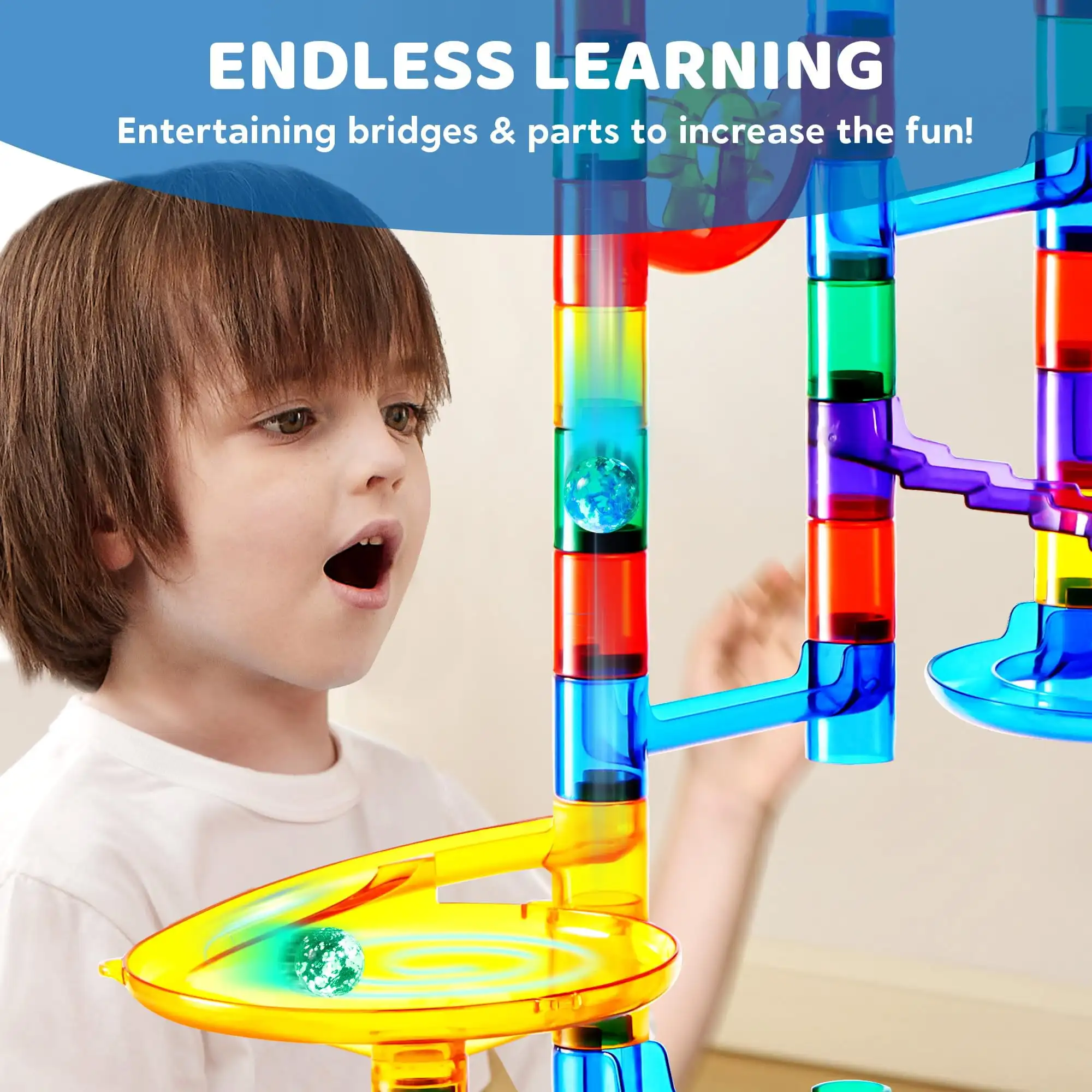
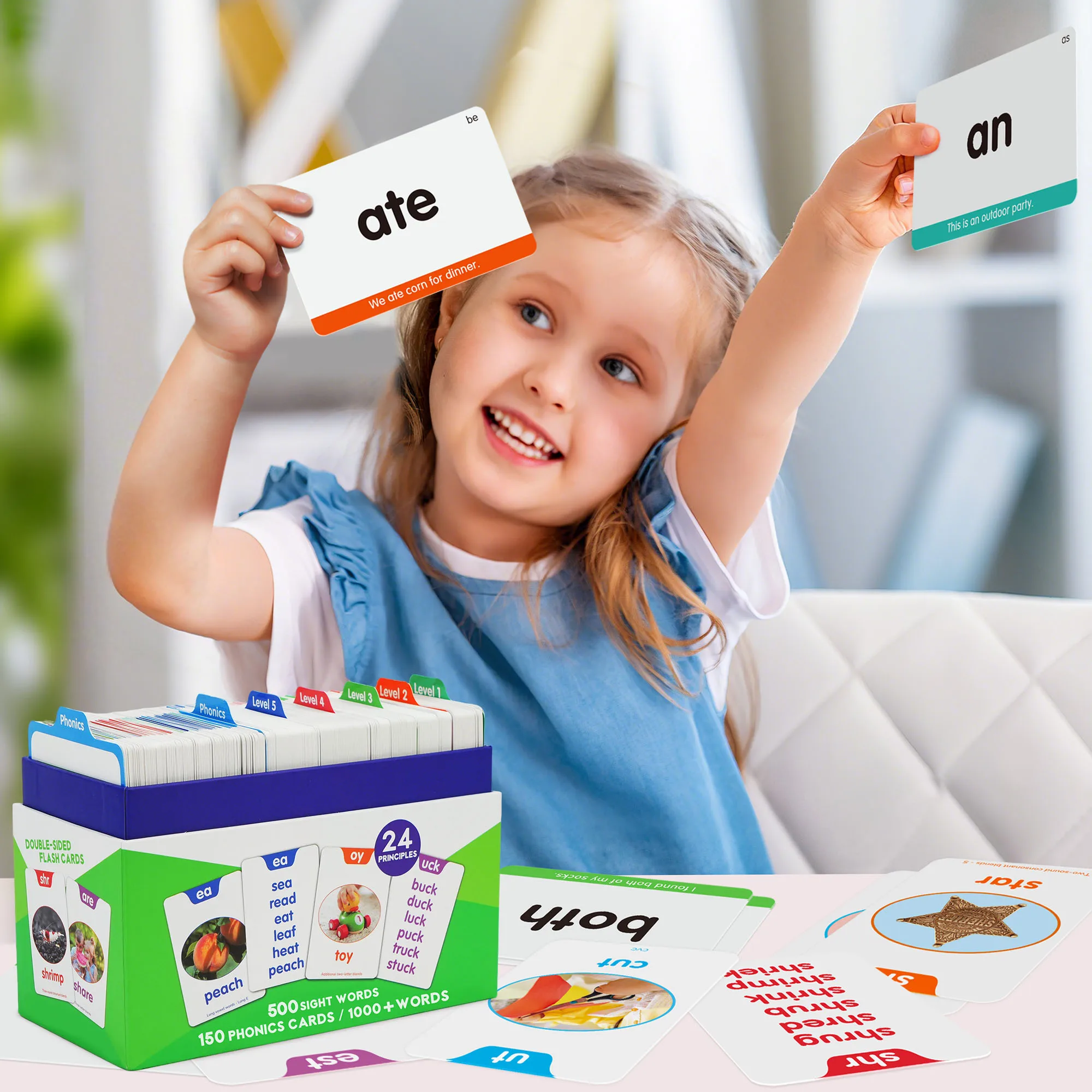
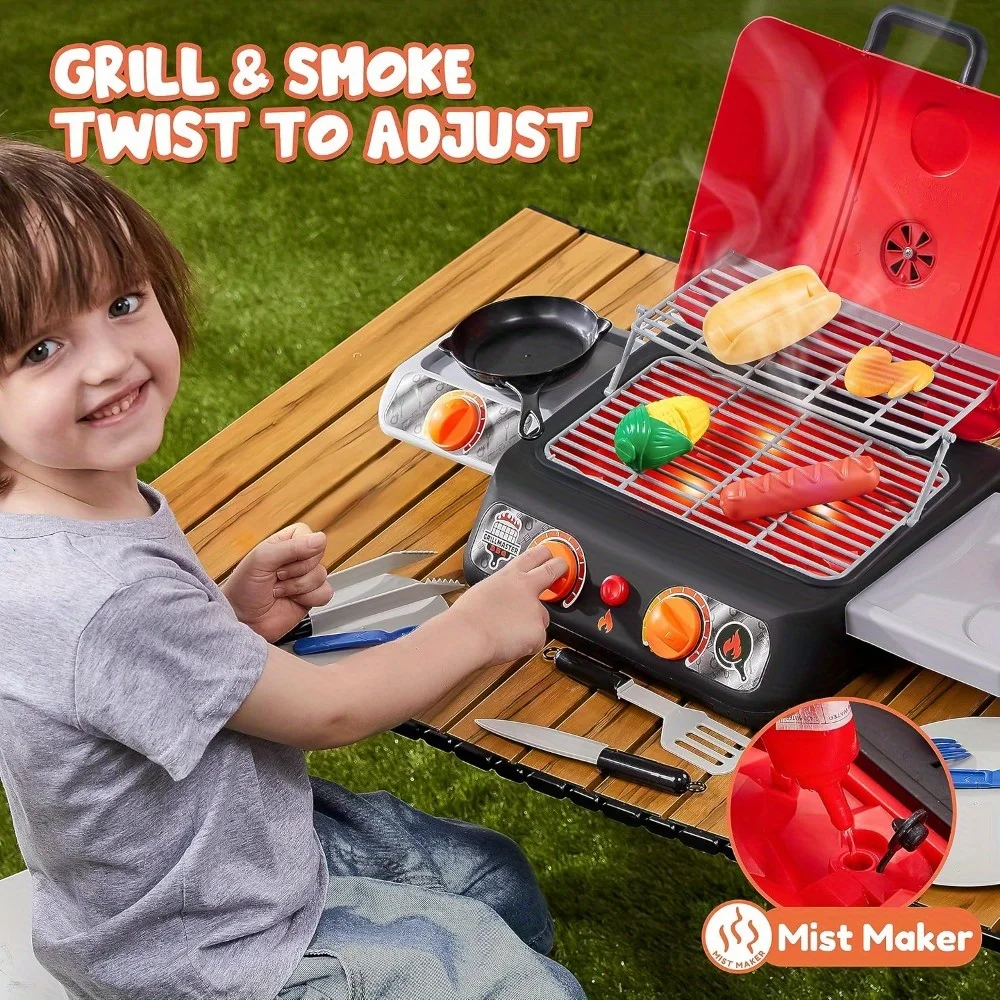
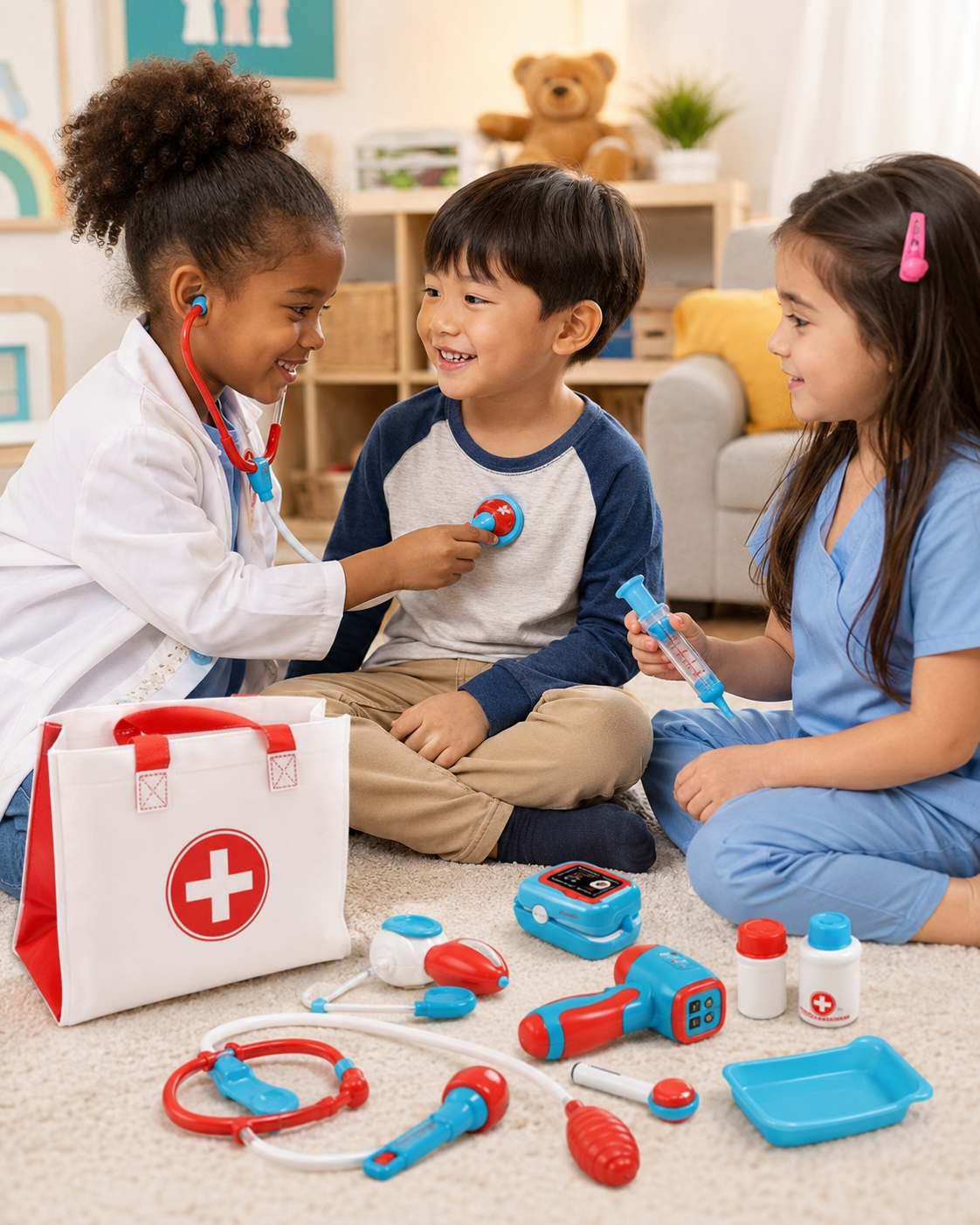
It also helps to offer open-ended toys that can be used in more than one way. Building toys, pretend play sets, art supplies, simple puzzles, and activity tables often work well because they leave room for imagination. Toys that do all the thinking for the child tend to lose their sparkle quickly, but toys that invite children to make decisions can hold their attention much longer.
Another helpful tip is to start small. Independent play does not always appear like magic and last for an hour right away. Some children need time to build the habit. Start by encouraging short stretches of solo play, even just ten or fifteen minutes, and let it grow from there. A gentle routine can help too. When children know there is a regular time for independent play each day, it starts to feel familiar and comfortable rather than unexpected.
Parents can also encourage independent play by resisting the urge to direct every moment. It is natural to want to jump in, offer ideas, or help shape the activity, but sometimes the best support is simply stepping back. Children often come up with the most creative play when adults are nearby for reassurance but not actively running the show. That balance gives them freedom while still helping them feel secure.
Rotating toys can make a big difference as well. When every toy is out at once, children may bounce from one thing to another without really settling in. Keeping some toys put away and bringing them out in small groups can make old favorites feel fresh again. It also keeps the play area from feeling too crowded.
Independent play is not about ignoring a child or leaving them on their own for long stretches before they are ready. It is about gently giving them space to explore their own ideas, build confidence, and enjoy the satisfaction of play that comes from within. Over time, children who practice independent play often become more creative, more resourceful, and more comfortable using their imagination.
At Kids Supplies Today, we love play that feels natural, thoughtful, and full of possibility. Independent play fits right into that picture. It reminds us that children do not always need constant entertainment. Sometimes they just need the right tools, a little room to roam, and the freedom to discover what they can create on their own.