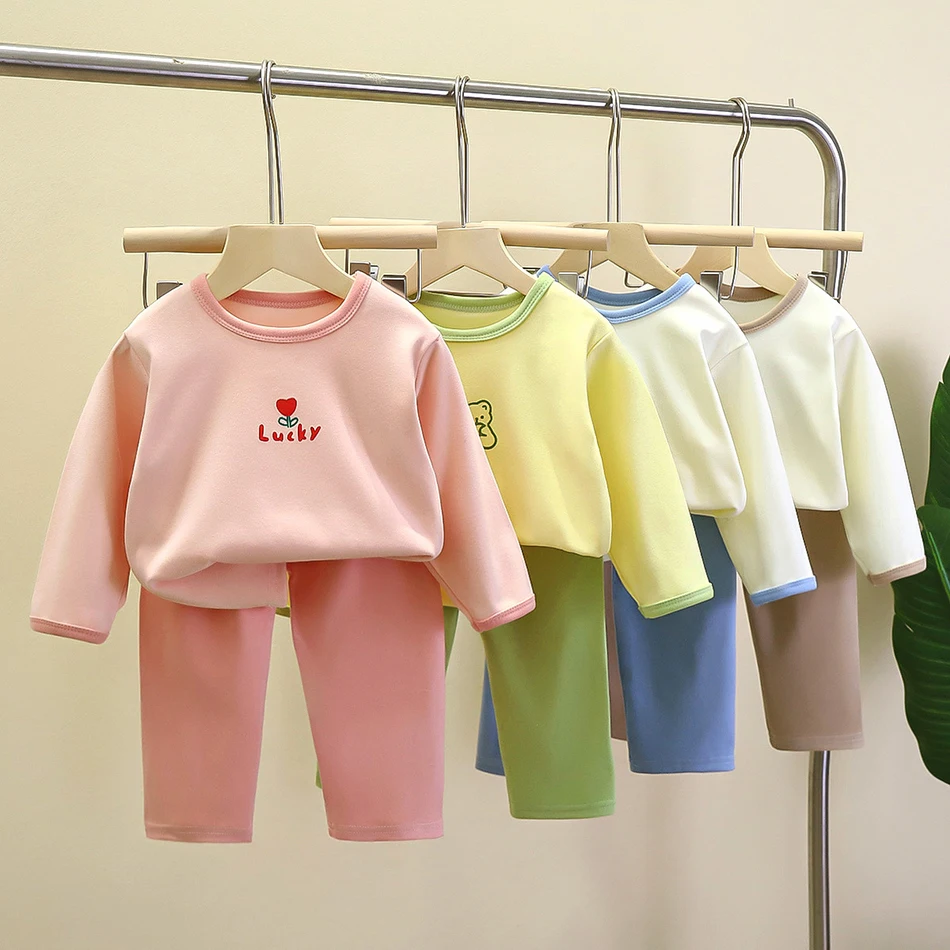
Choosing outfits for your child is one of the small joys of parenting, but it can also feel overwhelming as your child grows and their needs change. From soft newborn onesies to playful toddler outfits, clothing plays an important role in comfort, safety, and self-expression. While style is fun, practicality and development should always guide your choices, especially during the early years when growth happens quickly.
Understanding how to select outfits that suit each stage of infancy and toddlerhood helps you build a wardrobe that supports your child’s comfort, movement, and personality while making daily routines easier for you.
The Importance of Comfort in Early Clothing Choices
During infancy and toddlerhood, comfort should always come first. Young children spend much of their time moving, sleeping, exploring, and growing, which means their clothing needs to accommodate all of that activity. Soft fabrics, breathable materials, and flexible designs allow children to move freely and feel secure.
Clothing that is too tight, stiff, or restrictive can cause discomfort and irritation, especially for sensitive skin. Prioritizing comfort helps children stay content and reduces fussiness throughout the day. When children feel comfortable in their clothes, they are better able to focus on learning and exploring their environment.
Infancy: Dressing From Birth to 6 Months
In the earliest months of life, babies spend most of their time sleeping, feeding, and being held. Clothing at this stage should be gentle, simple, and easy to put on and take off. Newborns have delicate skin and limited movement, so soft fabrics are essential.
Outfits for young infants should allow easy access for diaper changes. Designs with snap closures, wrap-style tops, or stretchy necklines make frequent changes less stressful. Loose-fitting outfits help regulate body temperature and avoid unnecessary pressure on the baby’s body.
Layering is also important during infancy. Babies are sensitive to temperature changes, so lightweight layers make it easier to adjust for warmth without overheating. Hats, socks, and soft outer layers can provide extra comfort when needed, especially in cooler environments.
At this stage, simplicity is key. Clothing should support rest and bonding rather than appearance alone.
Infancy: 6 to 12 Months
As babies grow and become more active, their clothing needs change. Between six and twelve months, babies begin rolling, sitting, crawling, and sometimes standing. Outfits should support this new level of movement while remaining comfortable and secure.
Stretchy materials and flexible fits allow babies to explore without restriction. Clothing that stays in place during crawling and movement helps prevent discomfort and distractions. Durable fabrics are helpful as babies begin spending more time on the floor and exploring their surroundings.
At this stage, clothing that is easy to clean becomes more important. Spills, drool, and messy play are common, so choosing practical outfits helps simplify daily care.
While style can still be fun, functionality should remain the priority. Clothes that allow babies to move freely support physical development and confidence.
Transitioning Into Toddlerhood: 12 to 18 Months
The transition from infancy to toddlerhood brings a new level of independence and activity. Toddlers are learning to walk, climb, and explore their world with enthusiasm. Clothing choices should encourage movement and adaptability.
Outfits that are easy to put on and take off help support growing independence. Simple closures and flexible waistbands make it easier for toddlers to participate in dressing and undressing. This can be an important step in developing autonomy and confidence.
Comfortable shoes or soft footwear become more relevant during this stage as toddlers begin walking more consistently. Clothing should allow for balance and stability, avoiding overly bulky or restrictive designs.
Durability continues to matter as toddlers are active and curious. Outfits that can handle movement, play, and frequent washing are especially valuable.
Toddlerhood: 18 Months to 3 Years
During toddlerhood, children develop strong preferences and personalities. Clothing becomes a way for them to express themselves, even if their choices don’t always match perfectly. Allowing some freedom in outfit selection can support confidence and independence.
At this stage, clothing should support active play. Toddlers run, climb, sit on the floor, and explore constantly. Flexible fabrics and comfortable fits make movement easier and safer. Outfits should not limit mobility or cause discomfort during play.
Practical considerations remain important. Toddlers are learning skills like potty training, which makes easy-to-remove clothing especially helpful. Simple designs reduce frustration for both children and caregivers during daily routines.
While coordinating outfits can be fun, functionality should always outweigh appearance. Clothes that allow toddlers to move, learn, and play comfortably support healthy development.
Choosing Fabrics and Materials Wisely
Fabric choice plays a major role in comfort and practicality from infancy through toddlerhood. Soft, breathable materials help regulate body temperature and reduce irritation. Natural fibers are often favored for their comfort, but durability and ease of care are also important.
Avoiding rough seams, tags, or stiff materials helps prevent skin irritation. Stretchy fabrics that move with the child provide comfort during active play and rest.
Considering how often clothing will be washed is also important. Outfits that maintain their softness and shape after repeated washing offer better long-term value and comfort.
Dressing for the Seasons
Children’s clothing should adapt to seasonal changes while maintaining comfort and safety. Layering is especially useful for young children, allowing caregivers to adjust warmth as needed throughout the day.
In warmer weather, lightweight and breathable outfits help prevent overheating. In cooler months, layering with soft, insulating pieces provides warmth without restricting movement. Outerwear should allow freedom of motion and not feel bulky or heavy.
Seasonal considerations also include protection from the elements. Clothing can help shield children from sun, wind, or cold while still allowing them to explore comfortably.
Balancing Style and Practicality
While practicality is essential, style can still be part of choosing outfits for your child. Clothing can reflect personality, create joy, and make everyday moments feel special. The key is finding a balance between appearance and function.
Neutral basics paired with a few playful pieces allow for variety without overcomplicating the wardrobe. Choosing outfits that mix and match easily saves time and reduces stress during busy mornings.
A thoughtful wardrobe focuses on versatility rather than excess. Clothes that work for multiple occasions and activities provide flexibility and value.
Planning for Growth and Change
Children grow quickly, especially during infancy and toddlerhood. Planning for growth helps prevent frustration and unnecessary purchases. Choosing flexible fits or slightly roomy clothing allows for longer wear without compromising comfort.
Rotating clothing as your child grows keeps the wardrobe manageable and ensures that outfits remain appropriate for their current stage. Regularly reassessing what fits and what no longer works helps maintain a functional wardrobe.
Quality over quantity matters. A smaller selection of well-chosen outfits often works better than an overflowing closet.
Conclusion
Picking out outfits for your child from infancy to toddlerhood is about more than dressing them for the day. It is about supporting comfort, movement, independence, and self-expression during a time of rapid growth and discovery. By prioritizing soft fabrics, practical designs, and age-appropriate features, you create a wardrobe that grows alongside your child.
As children develop, their clothing needs evolve, but the foundation remains the same: comfort, flexibility, and thoughtful choices. When outfits support both your child’s development and your daily routines, getting dressed becomes a smoother and more enjoyable part of each day.