Choosing toys for your child is about much more than entertainment. The right toys support learning, encourage creativity, and help children develop essential physical, cognitive, and emotional skills. Because children grow and change so quickly, their needs and interests evolve at every stage. Selecting age-appropriate toys ensures that playtime is not only fun but also meaningful and supportive of healthy development.
Understanding how toys align with each stage of childhood can help parents and caregivers make confident, thoughtful choices that nurture curiosity and growth from infancy through early childhood.
Why Age-Appropriate Toys Matter
Age-appropriate toys are designed to match a child’s developmental abilities, interests, and safety needs. When toys are suited to a child’s stage, they encourage exploration without frustration or risk. Toys that are too advanced can feel overwhelming, while toys that are too simple may not hold attention or provide enough stimulation.
Developmentally appropriate toys help children practice new skills at the right time. They support motor development, problem-solving, communication, and emotional understanding. Over time, these small moments of play build a strong foundation for learning and confidence.
Safety is another critical factor. Toys designed for specific age ranges consider size, materials, and construction to reduce hazards and ensure safe interaction.
Infancy: Birth to 12 Months
During the first year of life, babies experience rapid growth and sensory development. At this stage, toys should focus on stimulating the senses and supporting early motor skills.
Soft textures, gentle sounds, and high-contrast colors help infants explore the world around them. Toys that respond to touch or movement encourage babies to reach, grasp, and kick, strengthening muscles and coordination. Simple rattles, soft plush toys, and textured items are ideal for this stage.
As babies grow, toys that support tummy time and crawling become important. Lightweight objects that roll or make noise motivate movement and curiosity. Toys with mirrors can also help babies begin recognizing themselves and engaging visually.
At this stage, toys should be simple, safe, and easy to explore. The goal is sensory engagement and physical discovery rather than structured play.
Early Toddlerhood: 1 to 2 Years
As children enter toddlerhood, their mobility and independence increase dramatically. They begin walking, climbing, and exploring with enthusiasm. Toys for this stage should support movement, coordination, and early problem-solving.
Push-and-pull toys encourage walking and balance, while stacking and nesting toys help develop fine motor skills and hand-eye coordination. Simple shape sorters and large building blocks introduce early concepts like size, shape, and cause-and-effect.
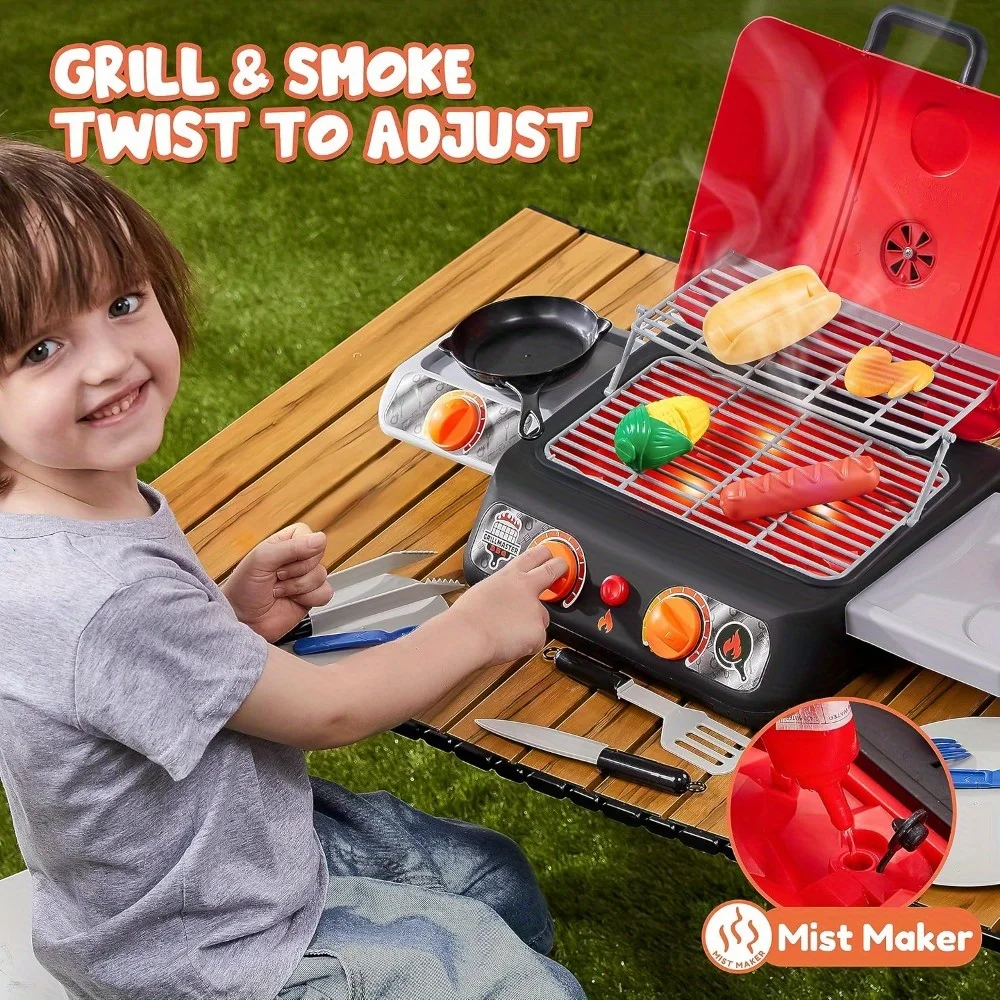
Toddlers also begin to imitate adults during play. Toys that encourage pretend play, such as toy phones or kitchen items, help develop imagination and social awareness. At this age, repetition is key. Toddlers often enjoy doing the same activity over and over as they master new skills.
Toys should be durable, easy to manipulate, and designed to withstand active play. Toddler Years: 2 to 3 Years
Between ages two and three, children become more expressive and curious. Language skills expand, and imaginative play becomes more detailed. Toys at this stage should encourage creativity, communication, and independent exploration.
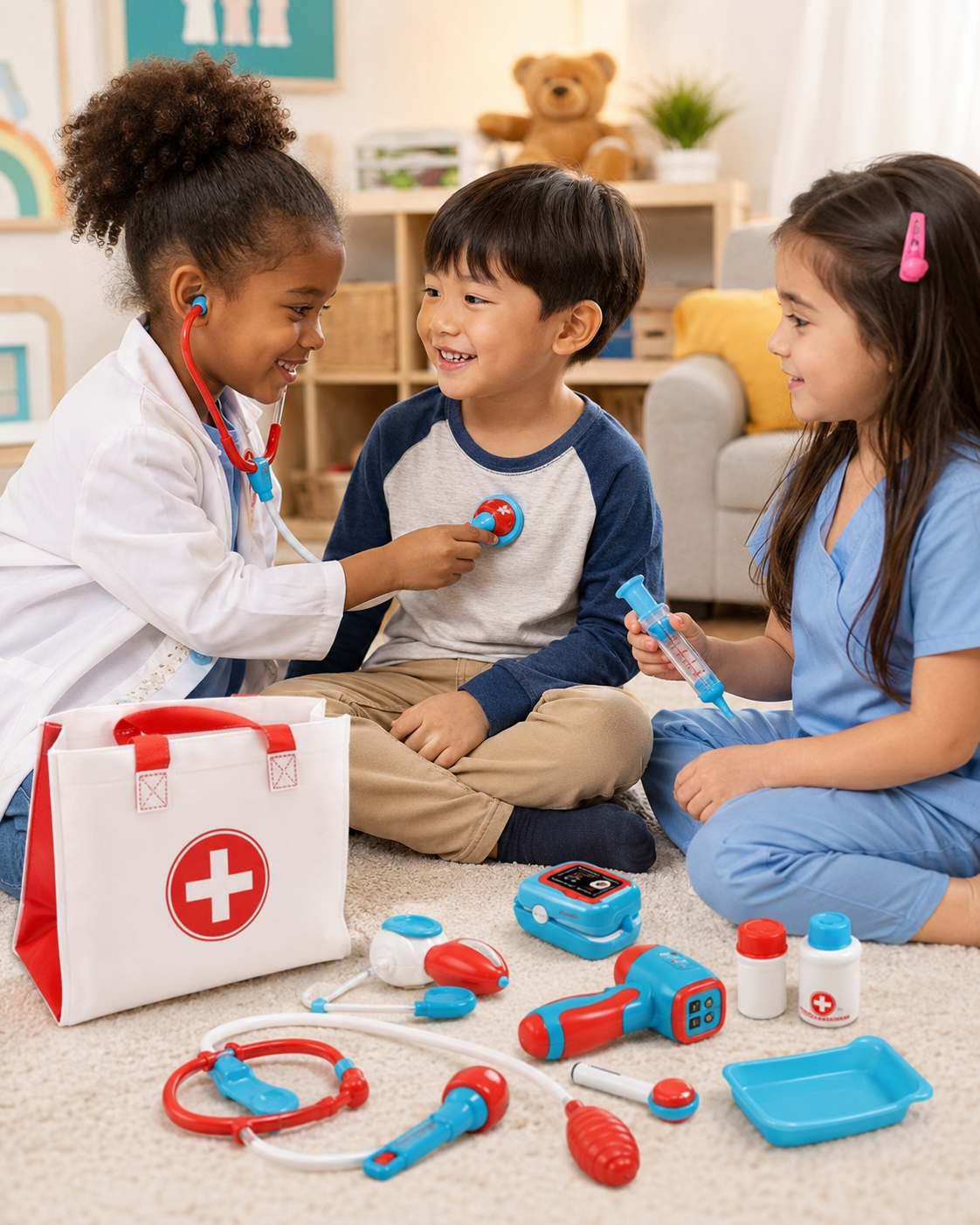
Pretend play toys become especially valuable. Dolls, play vehicles, and simple dress-up items allow children to act out everyday experiences and emotions. This type of play supports emotional development and helps children understand the world around them.
Puzzles with larger pieces, basic art supplies, and building toys help refine fine motor skills and problem-solving abilities. Children also benefit from toys that promote physical activity, such as balls or ride-on toys, which support coordination and confidence.
At this stage, toys that allow choice and experimentation help children develop a sense of autonomy and accomplishment.
Preschool Age: 3 to 5 Years
Preschool-aged children are highly imaginative and eager to learn. Their attention spans increase, and they begin to engage in more complex play. Toys for this stage should support creativity, cooperation, and early learning concepts.
Creative toys such as art materials, construction sets, and pretend play environments encourage self-expression and storytelling. Children enjoy creating scenarios, assigning roles, and inventing narratives, which supports language development and social skills.
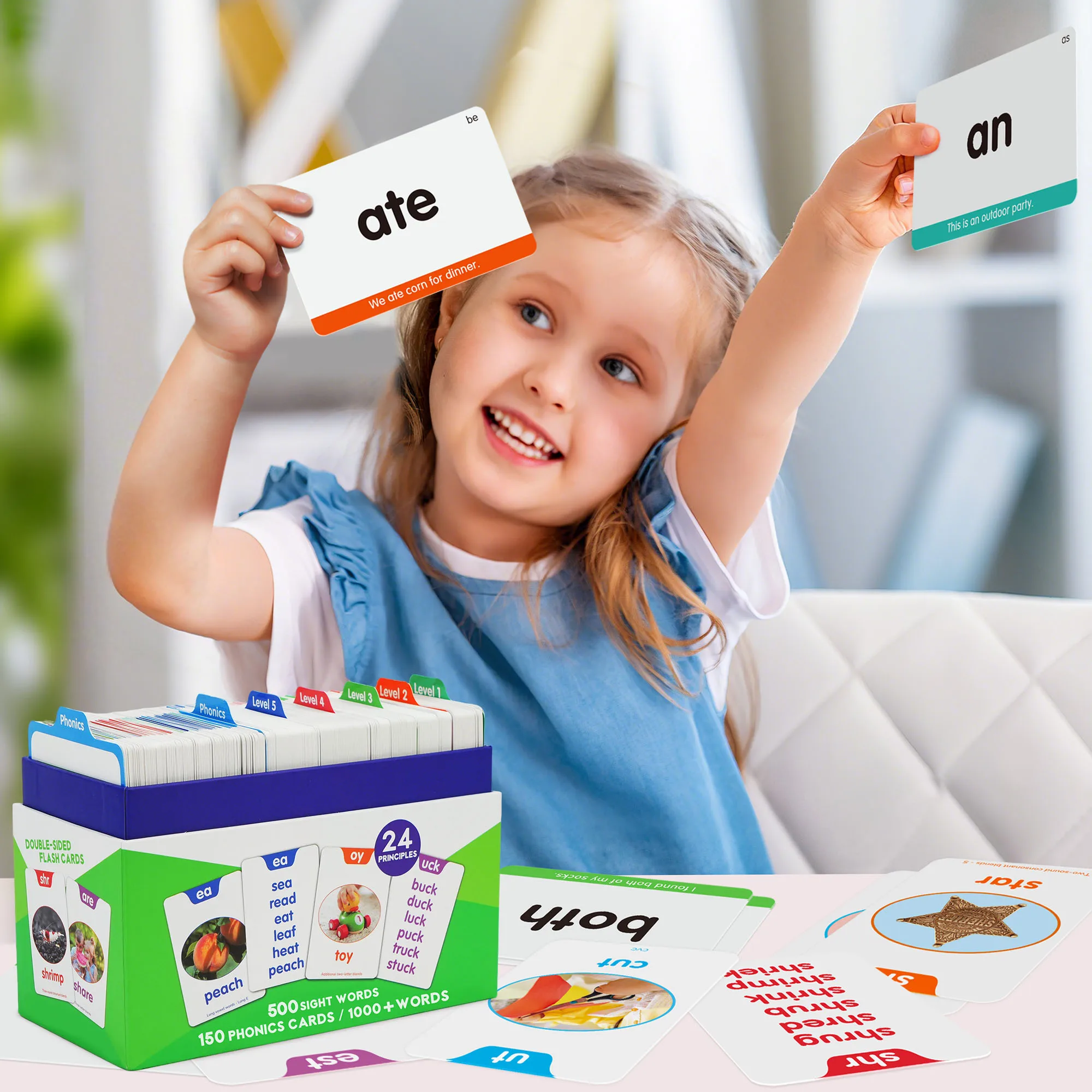
Educational toys that introduce letters, numbers, shapes, and colors can be beneficial when presented in a playful way. Games that involve matching, sorting, or simple rules help develop memory and logical thinking.
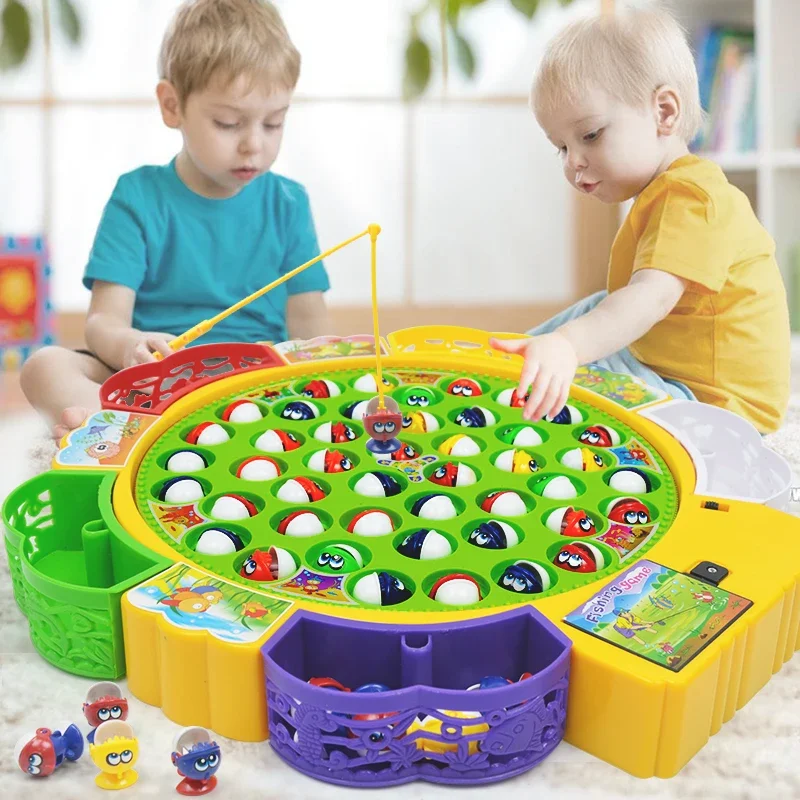
Social play becomes more important during this stage. Toys that encourage sharing, turn-taking, and teamwork help children practice cooperation and empathy.
Early School Age: 5 to 7 Years
As children enter early school age, their interests and abilities become more focused. They enjoy challenges and begin to take pride in mastering new skills. Toys should encourage problem-solving, creativity, and independent thinking.
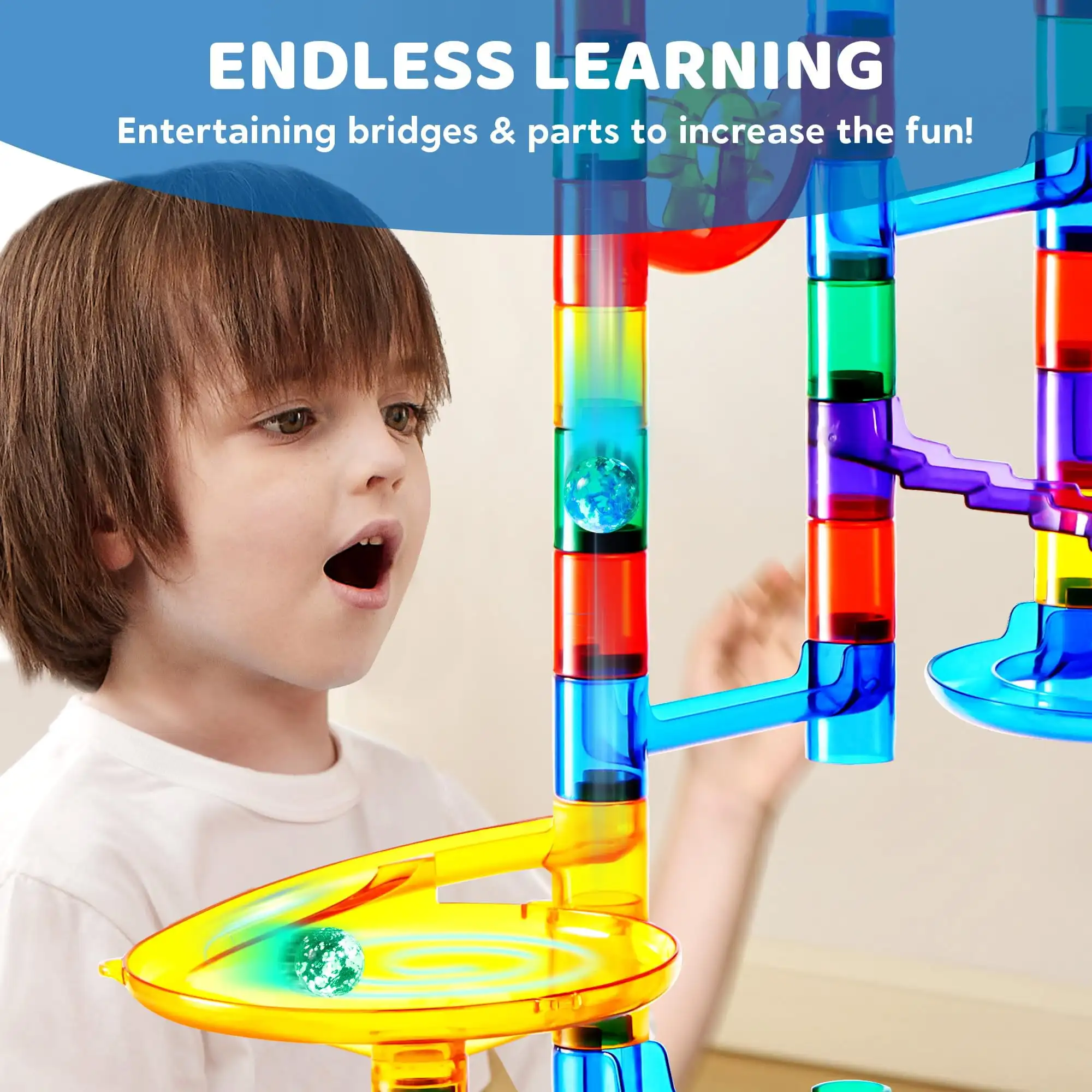
Construction toys, more advanced puzzles, and strategy-based games help develop critical thinking and persistence. Creative kits that involve building, designing, or crafting allow children to explore interests and express individuality.
At this stage, children also benefit from toys that support physical activity and coordination. Games that involve movement or teamwork help build confidence and social connections.
Toys should offer enough complexity to remain engaging while still being achievable, encouraging children to explore and learn through play.
Balancing Learning and Fun
While developmental benefits are important, toys should always be enjoyable. Children learn best when they are engaged and interested. A toy that feels like work rather than play is less likely to hold attention or inspire creativity.
Look for toys that naturally encourage learning through exploration rather than instruction. Open-ended toys, such as building blocks or art supplies, allow children to use imagination and problem-solving skills without strict rules.
Balancing structured toys with open-ended play options gives children the freedom to explore while still gaining valuable developmental benefits.
Considering Your Child’s Individual Interests
Age guidelines are helpful, but every child develops at their own pace. Interests, abilities, and personality all influence how a child interacts with toys. Some children may enjoy challenges earlier, while others prefer familiar activities for longer.
Observing your child’s interests can guide toy selection. A child who loves storytelling may gravitate toward pretend play, while a child who enjoys building may prefer construction toys. Choosing toys that align with these preferences keeps play engaging and meaningful.
Flexibility is important. Allowing children to explore toys slightly above or below their age range, when safe, can support growth and confidence.
Quality Over Quantity
Having many toys is not as important as having the right ones. A smaller selection of thoughtfully chosen toys encourages deeper engagement and creativity. Too many options can overwhelm children and reduce focus during play.
Well-made toys that are durable and versatile often provide more long-term value. Toys that grow with a child, offering different ways to play over time, support sustained interest and development.
Rotating toys periodically can also refresh interest without constantly introducing new items. Safety and Longevity
Safety should always be a top priority when selecting toys. Check for age recommendations, sturdy construction, and non-toxic materials. Avoid small parts for younger children and ensure toys are appropriate for your child’s abilities.
Toys that are safe, durable, and well-suited to a child’s stage allow for confident exploration and enjoyment.
Conclusion
Selecting age-appropriate toys is an important part of supporting your child’s development at every stage. The right toys encourage learning, creativity, and confidence while providing enjoyment and connection through play.
By understanding developmental milestones, considering individual interests, and focusing on quality and safety, you can create a play environment that grows with your child. Thoughtful toy choices help turn everyday playtime into meaningful opportunities for discovery, growth, and joy.